Understanding the Thrill of the Gamble
Gambling, at its core, taps into fundamental human psychology related to reward, risk, and anticipation. The allure of a potential win, however small, can trigger a dopamine release in the brain, creating a pleasurable sensation and a desire to repeat the experience. This neurological response is a key driver behind why individuals engage in gambling activities, seeking that elusive, exhilarating moment of victory, and for those looking for a comprehensive online experience, exploring options like tucan win casino can be part of that exploration.
The psychological impact extends beyond mere reward. The uncertainty inherent in games of chance plays a significant role. The anticipation of the outcome, the “what if,” can be as compelling as the win itself. This psychological tension, coupled with the potential for significant financial gain or loss, creates a potent emotional cocktail that many find irresistibly engaging. Understanding this innate psychological draw is the first step in approaching gambling with a more informed perspective.
The Cognitive Biases at Play
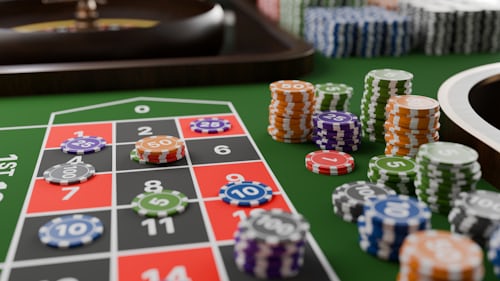
Gamblers often fall prey to various cognitive biases that can cloud judgment and lead to irrational decisions. The “gambler’s fallacy,” for instance, is the mistaken belief that past independent events influence future ones; a roulette wheel doesn’t “owe” a player a certain color after a streak. Another common bias is the “illusion of control,” where players believe they can influence random outcomes through superstitions or specific betting patterns.
These biases can be particularly detrimental when combined with the emotional intensity of gambling. Overconfidence, fueled by a few wins, can lead to larger, riskier bets, while a series of losses might prompt a desperate chase to recoup funds, often resulting in even greater losses. Recognizing these mental traps is crucial for developing a more disciplined and strategic approach to gambling, helping to mitigate the impact of these inherent psychological shortcuts.
Emotional Regulation and Responsible Play
Managing emotions is perhaps the most critical aspect of responsible gambling psychology. The highs of winning and the lows of losing can trigger a cascade of feelings, from elation to frustration, anger, and despair. Allowing these emotions to dictate betting decisions can lead to impulsive actions and significant financial and personal consequences. Developing emotional regulation skills, such as stepping away from the game when feeling overwhelmed or angry, is paramount.
Practicing mindfulness and self-awareness can significantly aid in emotional regulation. By being present and observing one’s thoughts and feelings without immediate reaction, individuals can make more rational choices. Setting clear limits on both time and money before engaging in gambling, and sticking to them, is a fundamental psychological strategy for ensuring that the activity remains a form of entertainment rather than a source of distress.
The Psychology of Risk Management in Gambling
Effective risk management in gambling isn’t just about financial calculations; it’s deeply rooted in psychological resilience. Understanding one’s personal risk tolerance and setting betting limits that align with it is a key psychological defense. This means distinguishing between calculated risks that are part of the game and reckless bets driven by emotion or the desire for a quick fix.
A crucial element of psychological risk management is accepting that losses are an inherent part of gambling. Instead of viewing losses as personal failures, a seasoned gambler learns to see them as the cost of entertainment or an investment with an uncertain return. This shift in perspective reduces the emotional pressure to win back lost money, promoting a more sustainable and enjoyable engagement with gambling activities, akin to how one might approach other forms of leisure or speculative ventures.
Tucann Casino: A Psychological Perspective on Player Experience
When exploring online gambling platforms like Tucann Casino, understanding the psychological elements that contribute to the player experience is vital. Tucann Casino, like many reputable online venues, aims to create an environment that is both engaging and, for those who practice it, conducive to responsible enjoyment. The design, game selection, and promotional offers are all crafted with psychological principles in mind, seeking to capture player attention and foster a sense of excitement.
From a psychological standpoint, Tucann Casino offers a variety of games that cater to different risk appetites and reward seeking behaviors. The visual and auditory feedback loops within the games are designed to be stimulating, while the availability of bonuses and loyalty programs can appeal to the human desire for recognition and added value. For players who approach gambling with a solid understanding of their own psychology, an awareness of cognitive biases, and a commitment to emotional regulation, platforms like Tucann Casino can provide a controlled and entertaining environment for engaging with games of chance.